The few-but-fine edit: how minimalist jewelry actually gets chosen
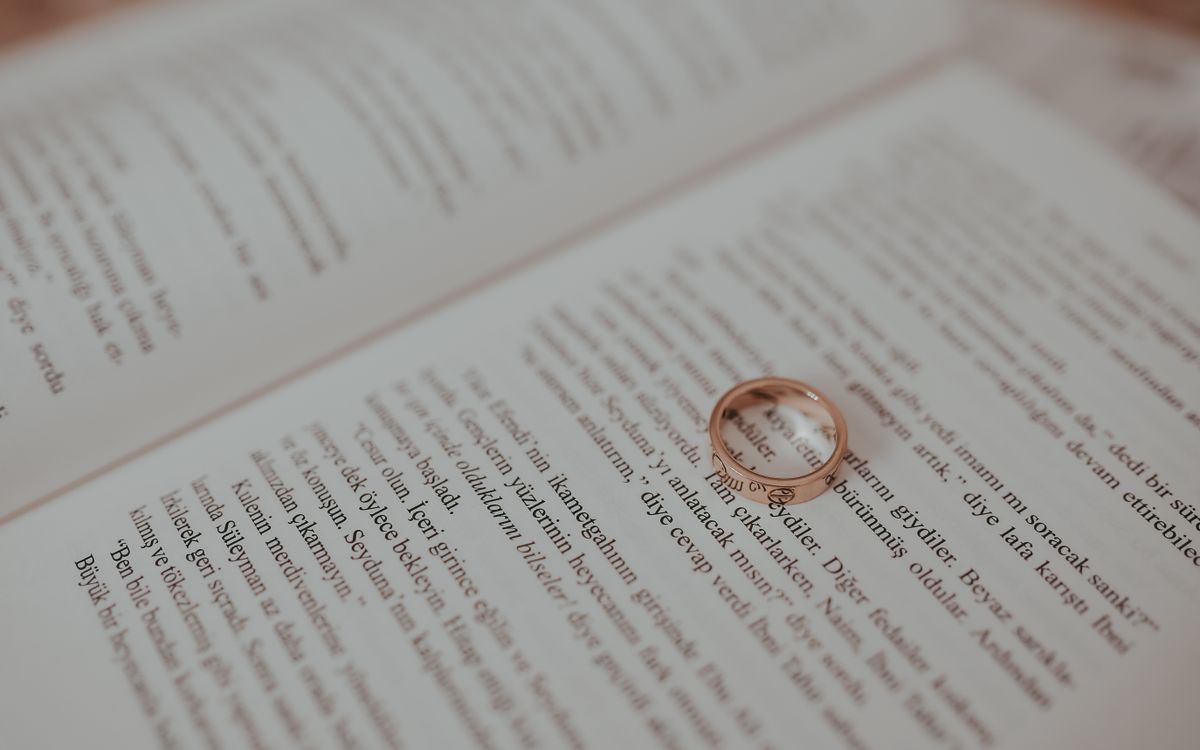
Minimalist jewelry is widely misunderstood as a category of thin, quiet pieces. It is not a category at all — it is a selection discipline applied to whatever pieces you own. The same person in the same week can wear one heavy cuff or two fine chains, and both are minimalist looks; what makes them minimalist is that nothing on the body is there by default. Every piece was kept for a reason, and the edit is the reason. Getting there is less a shopping problem than a subtraction problem, and it has a workable method.
Minimalism is a constraint, not a chain style
Start by separating the two variables that get conflated. Scale — how visually heavy a piece is — is one axis. Count — how many pieces you wear at once — is the other. Minimalism is a position on the count axis, not the scale axis. Once that is clear, the common failure mode becomes obvious: people aiming for minimalism buy “minimalist-looking” pieces, accumulate six of them, and end up wearing a cluttered stack of things that are individually quiet but collectively loud. The pieces were fine. The count was never edited.
The edit starts with subtraction
The honest way in is a wear audit, and it takes one month. Put everything you own in one place, and as you wear pieces, move them to a second spot — the worn spot. At the end of the month, the tray you never touch has answered the question that no amount of taste or intention answers: which pieces your actual life wants from you. Most collections resolve into the same shape — a handful of pieces doing nearly all the work, and a long tail of pieces worn on anniversaries of themselves. The edit keeps the workers. What remains in the tail either rotates seasonally or, more often than people admit, should leave the collection entirely, because jewelry that is never chosen is inventory, not jewelry.
The three-slot system
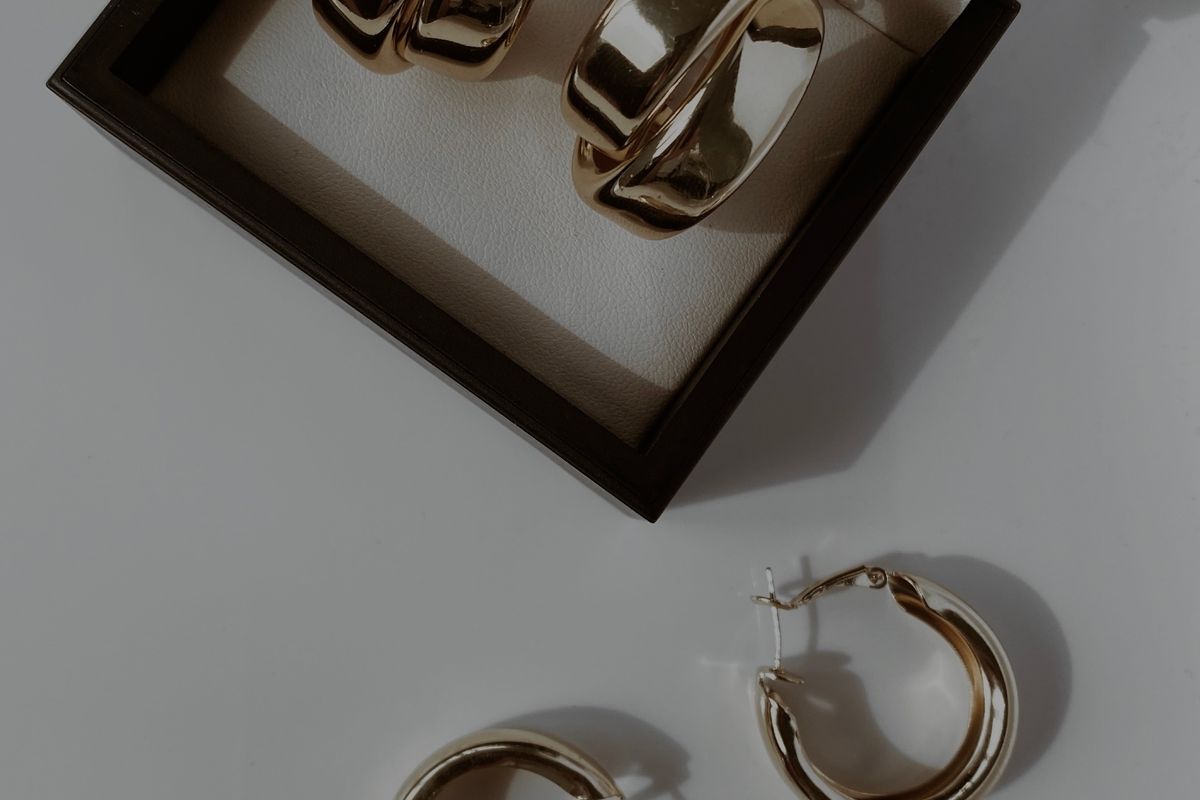
A functional minimalist collection resolves into three slots, and naming them is what turns a vague aspiration into a buying filter. Each slot has a job, and a candidate piece earns the slot by doing the job better than what currently holds it.
Slot one: the constant
The constant is the piece that never comes off — a plain band, small hoops, a short chain that survives sleep, showers, and workouts. Its defining property is that it requires no decision. Construction matters more than design here: it will be worn daily for years, so it needs to be solid metal, well-finished, and structurally boring. This is the slot where buying better and buying once is genuinely correct rather than a slogan. If the constant is plated, the edit has a maintenance problem baked into it, which is why construction, not style, is the criterion for this slot.
Slot two: the support
The support is the second piece — the one that quietly frames the constant. A tennis line on the wrist, a slightly longer chain, a plain band on the other hand. It is chosen to complement rather than compete, and the usual failure is buying a second piece that wants to be the feature. When a support piece works, people cannot say what you added; they only register that the combination looks settled. The tennis bracelet guide is a good case study in choosing this kind of piece by construction rather than by sparkle.
Slot three: the variable
The variable is the piece that changes — the one slot where taste is allowed to move. It carries the personality the first two slots deliberately suppress: a signet, a single statement ring, a pendant with a point of view. Because slots one and two hold the metal tone and the register steady, the variable can be bold without the overall look fragmenting. It is also the slot that rotates seasonally, which is the honest answer to the urge to buy something new: new purchases belong in this slot, and slot three only accepts them if they beat the incumbent.
Fine, not fragile: choosing pieces that hold up
One clarification the edit forces: fine is a measure of visual weight, not of physical fragility. A minimalist collection full of sub-millimeter chains and hair-thin bands is a maintenance schedule, not an edit. Choose the lightest visual weight that is still built to be worn — solid construction, decent gauge on chains, closed loops. A piece you think about every time you put your hands in your pockets has failed the brief, no matter how beautiful it looks on a surface. The practical test is whether you forget you are wearing it within ten minutes.
The wardrobe interface
Minimalist jewelry works or fails at the seam with the wardrobe. A small edit has to read across everything from a crew neck to an open collar, which is why the constant is usually worn against skin-visible necklines and disappears politely under higher ones. Length decisions — what sits at the collarbone, what clears a collar — matter as much here as they do anywhere, and the mechanics are the same ones behind any layered look, covered in detail in the layering guide. The difference is that with one or two pieces, the necklines you wear most should drive which single length you own. Buy the length your wardrobe actually frames, not the length that photographs well on a display bust.
When one more piece is too many
The edit has a natural stopping point, and it announces itself. When a new piece gets worn once and then returns to the tray; when you catch yourself rotating pieces to justify owning them; when getting dressed involves deciding rather than reaching — the collection is over its capacity, and capacity is a property of your routine, not of the jewelry market. The discipline is refusing to add to slots one and two once they are filled. Those slots are infrastructure. Almost every purchase impulse, which is to say almost every bad purchase for this kind of collection, belongs in slot three or nowhere. For how a reduced set reads in full outfits across seasons, the styling desk keeps a running edit of the same principles applied at the wardrobe level.
Maintenance is part of the edit
A small collection concentrates wear: three pieces worn daily age faster than thirty pieces worn in rotation. That is the trade, and it only works if maintenance is built in — a quick wipe after wear, a real cleaning when pieces dull, and a yearly check on the structural pieces, especially anything worn constantly. Plated pieces in a daily rotation need their timelines stated honestly, because a finish that lasts years on occasionally-worn jewelry will not last them on a constant. The edit is not finished at the point of purchase; it is finished when the three slots each have a piece that can hold the job under the wear your life actually applies to it.
Frequently asked
How many pieces should a minimalist jewelry collection have?
Three to five worn pieces, with the rest of the collection either rotating seasonally or not existing. The test is not how few you own but whether each piece earns its slot by getting worn more days than not.
Is minimalist jewelry the same as delicate jewelry?
No. Minimalism is about how many pieces you wear at once and how deliberately they were chosen; scale is a separate variable. A single heavy cuff worn alone is a minimalist look, and five thin chains stacked together are not.
What should the first fine piece be?
A plain metal piece you can sleep and shower in without thinking — a simple band, small hoop, or short chain. It becomes the constant everything else edits around, so construction quality matters more than design on that first purchase.