A capsule jewelry wardrobe: eight pieces sorted by how often you wear them
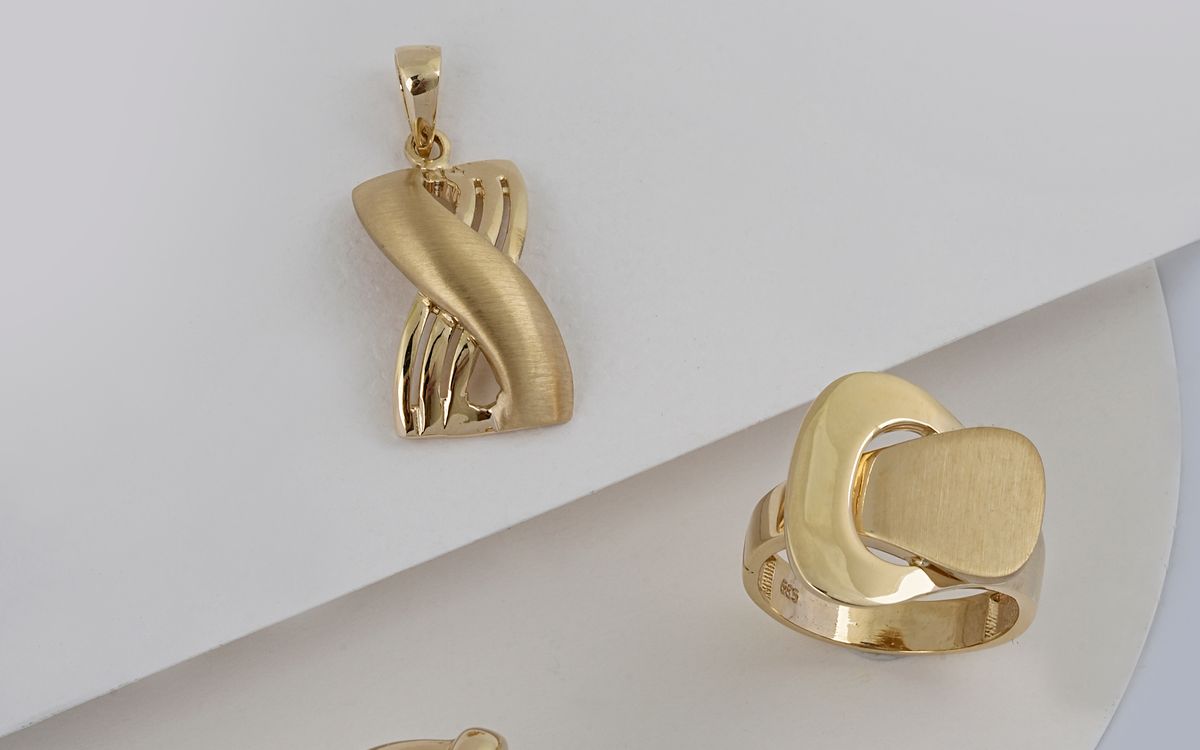
Most jewelry capsule lists are built from occasions — one piece for work, one for evenings, one for weekends — and they fail for the same reason a wardrobe organized by occasion fails: the occasions overlap and the pieces compete for the same slots. The version that holds up sorts pieces by wear rate instead. Three pieces you reach for without thinking, three you rotate through the week, two that come out a handful of times a year. Eight pieces, three tiers. The system works because it matches how jewelry actually gets worn: a small number of pieces do most of the work, and everything else exists for the days that demand something specific.
Why wear rate beats occasion
Occasion-based capsules break on real weeks. A Monday meeting, a Thursday dinner, a Saturday wedding: the occasion system assigns one piece to each event and leaves you holding eight singles that never combine. Wear-rate sorting assumes the opposite — the daily pieces will appear under everything else, and every other tier is optional on top of them.
The tiers also tell you what to buy next. If your daily tier has a hole — no comfortable band, no pair of studs that survives sleep — adding a tenth decorative ring fixes nothing, because the gap is structural. Sort what you own first, count honestly, and the shopping list writes itself.
Tier one: the three pieces that never come off
The daily tier carries the capsule, so it is chosen for endurance, not looks: a plain band, a pair of small studs, and one short chain. Each of the three has to survive sleep, showers, and desk work without being taken off, because the moment a daily piece needs daily removal, it migrates out of the tier and the system loses its base layer.
The band decision
The band is the anchor piece, and comfort is a shape question before it is a size question. A rounded or low dome profile clears doorframes, gym equipment, and pockets without catching; a flat band with hard edges catches on everything for the first month. Thin wins over wide at this tier — a band in the 1.5 to 2.5 millimeter range disappears on the hand, which is exactly what a daily piece should do. Two bands is a legitimate answer here rather than one: a plain band plus a second slightly narrower band beside it gives the daily hand a finished look with zero extra decisions.
The studs and the short chain
Studs at the daily tier are about back security and mass, not size. Small balls, small bezel-set stones, or flat bars all work; what disqualifies a stud from the tier is a heavy front that tilts the lobe or a butterfly back that works loose. The chain belongs in the 16 to 18 inch range with a closed, smooth link style — cable, snake, or rope — because a chain worn daily spends its life rubbing against collars, and anything with sharp edges or fragile stations ages visibly in months.
Tier two: the weekly rotation
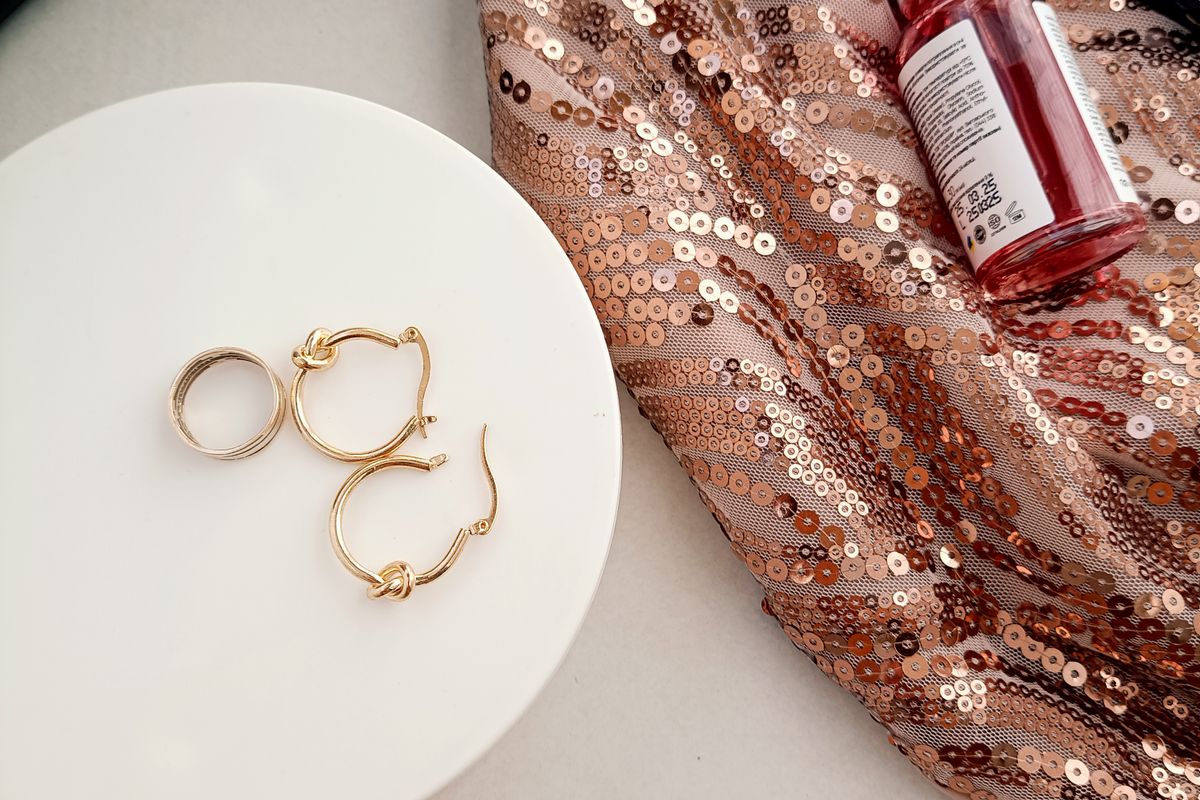
The weekly tier is where the capsule gets its range. Three pieces, each of which changes how the daily base reads: a hoop that frames the face and replaces the studs on days with a neckline to respect, a cuff or bangle that adds weight to the wrist beside the plain band, and a pendant that turns the daily chain into a different necklace entirely.
The mechanical test for a weekly piece is different from the daily tier. These pieces go on and off several times a week, so the clasp and closure carry real wear. A hoop with a hinged post closes faster and holds its alignment longer than a hook wire; a cuff needs just enough spring tension to stay put without gripping. Anything in this tier whose closure requires two hands, patience, or a mirror will quietly stop being worn.
Tier three: the occasional two
Two pieces with a low annual count and a high impact per wear. The usual picks are a statement earring and a substantial ring — the pair that handles weddings, dinners, and the events where the everyday capsule looks too quiet. A pearl strand or a colored stone piece serves the same slot; the identity of the two matters less than the constraint of two.
The temptation at this tier is accumulation, because occasional pieces are the ones that come home from trips and gifts. The discipline is simple: a piece earns the occasional slot only if it works over the daily base without reorganizing it. A cocktail ring worn beside the plain band is fine; a bracelet that demands the removal of the band and cuff has just made an evening event feel like homework.
One metal family, with one deliberate exception
Eight pieces in one metal family interchange freely, which is most of what makes a capsule function — every tier-one piece sits under every tier-three piece without a second thought. The exception that earns its keep is a single piece in a second metal, chosen for a specific job: a silver cuff against a warm gold stack, or a steel watch band treated as part of the same wrist. One exception reads as deliberate; three metals across eight pieces reads as an accident.
For how the common gold-family constructions age differently under daily wear, the vermeil explainer covers which constructions suit a capsule base and which suit the occasional tier.
The twice-yearly audit
The capsule stays honest through a simple audit, run twice a year: empty the tray, and put pieces back in the order they return to use. What goes back first is the daily tier confirming itself. What sits in the drawer at the end of two weeks is telling you it occupies a slot without doing the work — pieces with high catch rates, pieces whose closure you avoid, pieces that need an outfit built around them.
The audit is also where tier drift shows up. A piece that has quietly moved from weekly to monthly has stopped earning its slot, and two pieces doing the same occasional job mean one is a duplicate wearing a different design.
When a ninth piece earns in
The rule for additions: a new piece joins only if it replaces two or opens a zone nothing covers. A second pendant that does what the first pendant does replaces nothing. A watch, if the wrist zone is otherwise empty, opens one. A gift often lands here well — the pieces that make the strongest ninth entries and the reasoning behind them are covered in the gifts guide.
Everything after nine is saturation, and the symptom is easy to recognize: the tray is full and the same three pieces are still doing all the work. When that happens, the answer is subtraction, and the audit above is the tool. For how the tiers look once assembled into actual outfits, the styling desk keeps a running edit.
Frequently asked
How many pieces do you need in a jewelry capsule wardrobe?
Eight covers most wardrobes: three daily pieces, three weekly pieces, and two occasional pieces. The split matters more than the number — a capsule fails when every piece sits in the same wear tier.
Should a capsule jewelry wardrobe be all one metal?
One dominant metal family keeps the eight pieces interchangeable, which is most of the point. One deliberate exception — a silver cuff worn against a gold stack, for example — adds range without breaking the system.
How do you decide which pieces belong in the capsule?
Track catch rate rather than affection. Pieces you reach for without deciding belong; pieces you deliberately wear three times and then skip do not. A twice-yearly drawer audit settles it faster than any list.