Jewelry gifts for colleagues: the 15-to-40 rule for office gifting
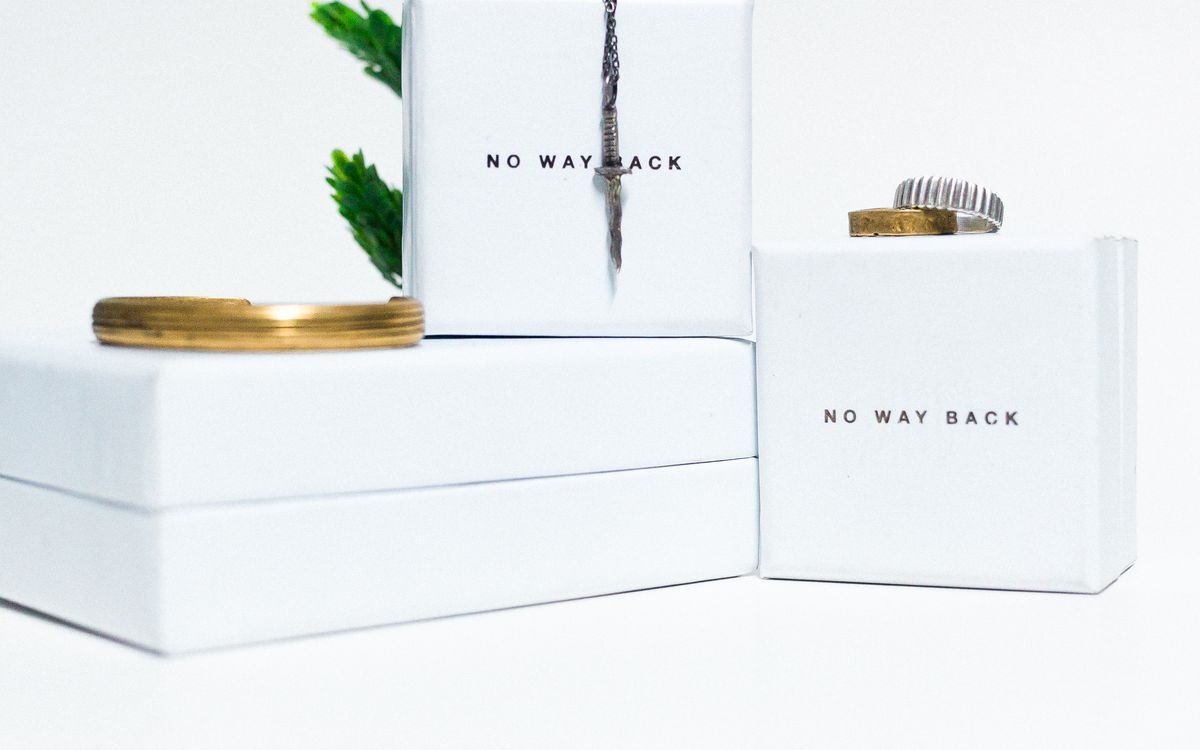
Office gifting has an economy of its own, and jewelry sits at the sharp edge of it. A book or a candle carries no signal beyond effort; a piece of jewelry is worn on the body, chosen in a metal, and interpreted — by the recipient and by everyone who watches it being opened. That is why the right budget for a colleague is a band rather than a ceiling: fifteen to forty dollars, where the gift reads thoughtful without creating any of the obligations that a finer piece creates. Below fifteen, the risk is carelessness — jewelry is the one category where a very cheap piece announces its price. Past forty to fifty, the risk is meaning: the recipient starts asking what the gift means, and so does the rest of the team.
This guide is about the logic inside that band — what makes a fifteen-dollar piece read considered, which categories work for recipients you know nothing about, and where the traps are. It assumes no knowledge of the recipient beyond what an office affords: their desk, their watch, their visible studs. For the people outside that radius — friends, family, the occasions with real meaning attached — the broader budget guide covers the tiers where the relationship runs deeper.
Why the band is fifteen to forty
The band exists because jewelry gifts are read socially before they are read materially. At fifteen dollars, a well-chosen piece — clean studs, a fine beaded bracelet — reads as “they thought about me,” because the thought is visible in the choice. At twenty-five, the gift can come from a recognized brand and arrive in real packaging. At forty, it is the top of the office range: a vermeil-adjacent piece or a sterling item, still office-safe, still reciprocal. The ceiling is soft but real — a colleague who receives a hundred-dollar necklace has been given a message that is hard to answer at the next gift exchange, and the awkwardness outlasts the gift.
The band also maps cleanly onto what the money buys. Fifteen to twenty-five buys plated construction from known gift brands — BaubleBar’s Pisa hoops tier, or the beaded lines at Gorjana — where the design does the work. Twenty-five to forty buys the lower edge of real-metal territory: sterling silver studs and chains from the mid-tier makers, or branded vermeil pieces on the maker’s own entry SKUs. Both zones are legitimate; the difference is how much of the gift’s quality comes from design versus material.
The three office rules
Rule one: neutral metal beats right-metal guesses
For recipients whose taste you genuinely know — the desk neighbor whose whole stack you have watched accumulate — match their metal. For everyone else, visible cues do the work: the metal of their watch, the studs they already wear, the ring on their hand. When no cue exists, silver is the safer default in mixed offices; it is less expensive to replace if wrong, and it photographs as deliberate rather than as a guess. Gold reads warmer and slightly more personal, which makes it the better pick when the relationship is genuinely warm — and the slightly riskier one when it is not.
Rule two: small scale reads professional
Earrings the size of a lentil and chains thin enough to disappear under a collar are office-appropriate at any budget; the dramatic versions of the same shapes are not, regardless of price. This is partly dress-code adjacency — small jewelry reads as considered in a professional setting — and partly wearability: the piece a colleague can wear to a client meeting is the piece that gets worn, and the piece that gets worn is the gift that worked. Hoops that click shut, studs that sit flush, chains that layer — these are the shapes that survive an office wardrobe.
Rule three: the brand and box carry half the read
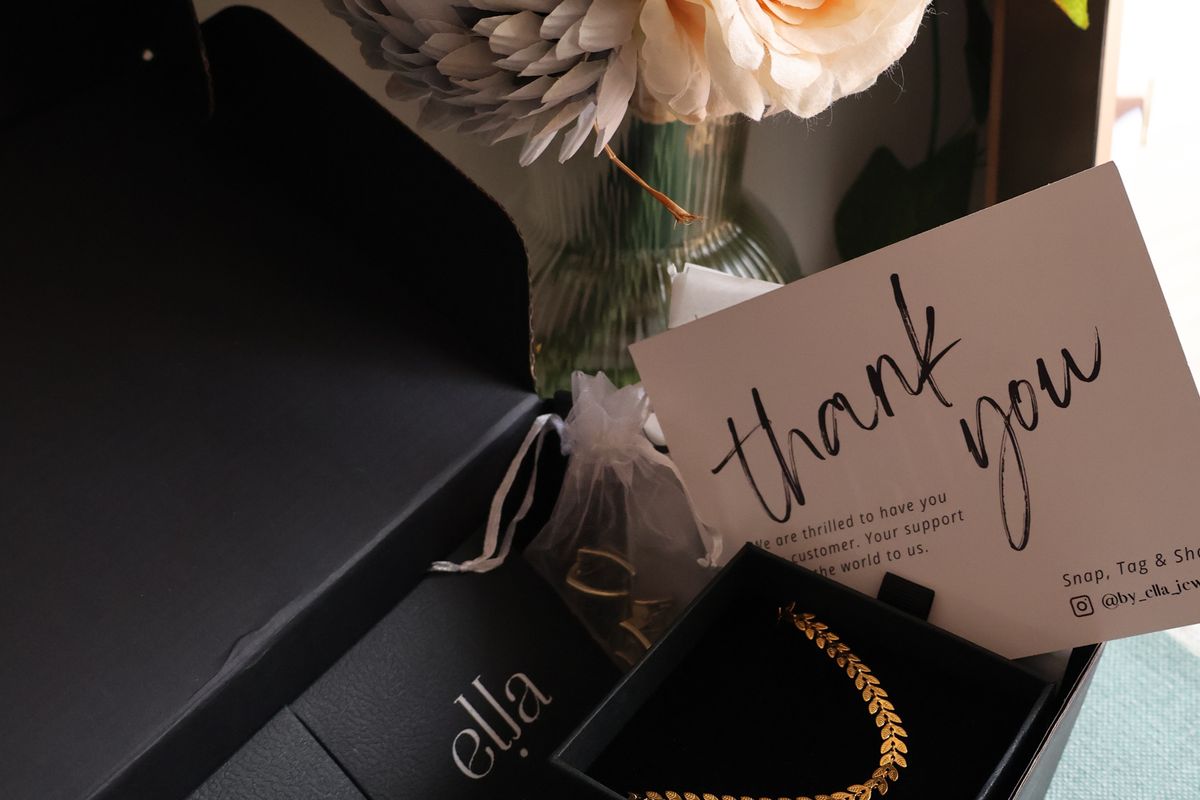
At this budget the material cannot impress anyone, so the presentation does. A piece from a recognized jewelry brand, in the maker’s own packaging, reads like a gift; the identical construction in a generic velvet pouch reads like a last-minute errand. This is the one context in jewelry where brand names are doing real work — they signal that the giver went to a jewelry counter rather than a checkout aisle — and it is worth using them.
Three worked examples
The band in practice: the desk neighbor you see daily gets the top of it — sterling or branded vermeil in her known metal, around forty dollars, because the daily relationship supports a real piece. The secret santa draw with no clue attached gets the bottom of it — small silver studs or a beaded bracelet around twenty dollars, neutral enough for anyone, from a brand whose box does the presentation. And the team lead — the trickiest recipient in the office — gets the middle: a fine chain or clean hoops around thirty dollars, chosen in a neutral metal, because a gift above the band reads as an angle and a gift below it reads as a slight. Three recipients, three price points, one band, no exceptions.
Secret santa specifics
Secret santa inverts the normal gift logic: the recipient is often genuinely unknown, the budget is fixed by the draw, and the gift gets opened in front of an audience. That combination favors jewelry categories that carry no meaning by default — studs, fine chains, beaded bracelets — over anything directional. A heart pendant says something; a pair of 4mm silver studs does not.
The mechanics matter as much as the pick. Check whether the exchange has a stated limit and land just under it, not at it. Buy from a brand with fast, reliable shipping, because the date is fixed. And if the draw reveals who you have, recalibrate: a known recipient converts a secret santa gift from a neutral object into a personalized one, and the metal-matching rule from above applies again. The one category to avoid at the unknown-recipient stage is anything personalized — an initial piece for the wrong person is a gift that cannot be regifted, regifted quietly or otherwise.
The traps: what to skip for colleagues
Four categories fail specifically in office contexts. Personalized pieces — initials, engraved names — imply a knowledge of the person that a colleague relationship usually does not support, and they are final sale at most makers, which strands a wrong guess. Trend pieces carry the recipient’s buy-in problem: a colleague will not wear a trend she did not choose, and she cannot tell you it missed. Anything stone-set and meaningful — birthstones, “friendship” designs, protective-symbol pieces — reads heavier than the budget band supports, because it claims sentiment the office relationship has not earned. And the fourth trap is the upgrade attempt: spending past the band to impress. It does not read as generosity; it reads as confusion about the relationship, and it is the mistake that gets talked about after the party.
Presentation, cards, and the exit
The finishing details are cheap and decisive. Use the maker’s packaging whenever checkout offers it — at this budget the box is a large share of what the recipient sees first. Keep the card one line and warm-neutral: something about the year, or the team, rather than anything that reads as a confession. And keep the receipt accessible to yourself, not the recipient — for an office gift, the exit path is regifting or keeping, and the return window matters mainly for the giver’s own peace of mind. The same band logic applies to the whole winter exchange season; the desk edits under Gift Guides sort the rest of the recipient list, from the boss to the building’s front desk. If the recipient turns out to have finer taste than the band allows, the layering guide is a good source of ideas that scale up when the relationship does.
Frequently asked
How much should you spend on a jewelry gift for a coworker?
Fifteen to forty dollars is the defensible band. Below fifteen reads careless; past forty-to-fifty, a colleague gift starts raising questions the giver did not intend — about favoritism, reciprocity, or the relationship — and the recipient feels the weight of it.
What is a good secret santa jewelry gift?
Something neutral enough for an unknown recipient: small stud earrings, a fine chain in a common metal, or a beaded bracelet from a known gift-friendly line. Pick silver or gold according to any visible cue you have — a watch, existing studs — and default to silver when in doubt.
Is plated jewelry acceptable as an office gift?
Yes, and at this budget it is the norm. What matters is that the piece reads considered — a known brand, clean design, proper packaging — rather than cheap. The recipient at fifteen to forty dollars is reading the gesture, not the karat.