Dress watches and casual watches: where the line actually falls
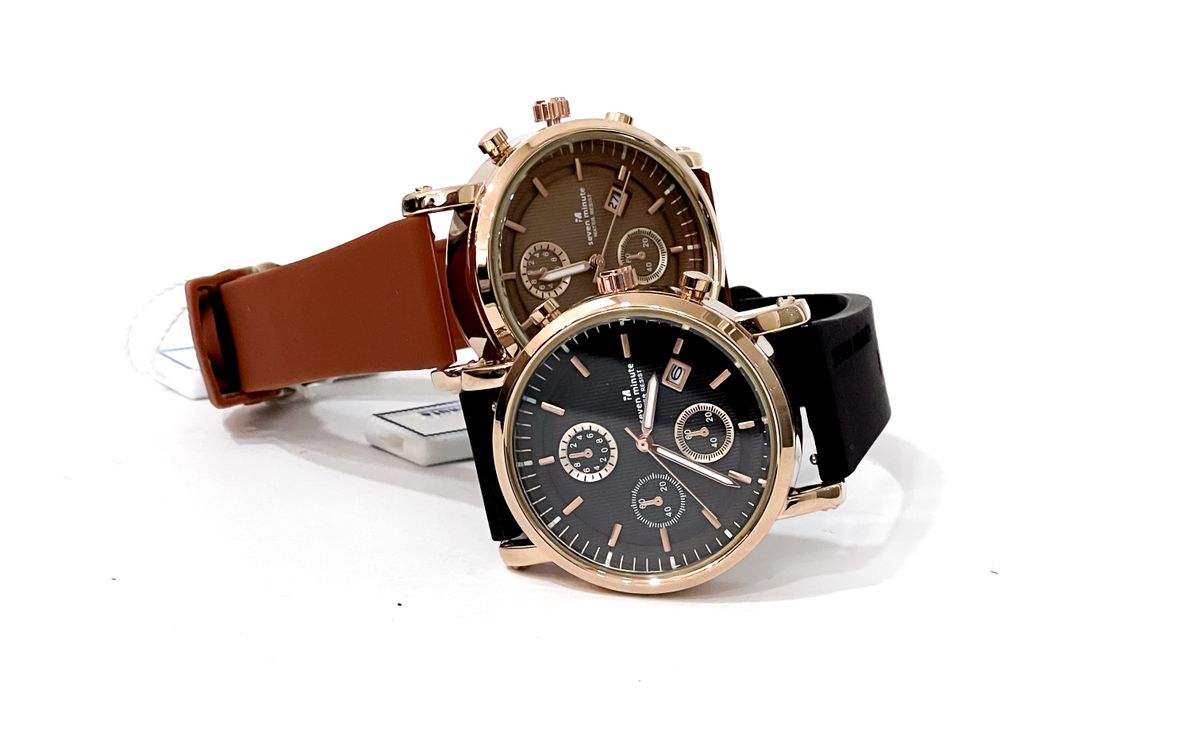
Every watch buyer eventually meets the same fork: the watch that works with a suit and the watch that works with everything else. Retailers treat these as separate categories with separate shelves, but the dividing line is not price, brand, or movement — plenty of $259 watches are proper dress watches and plenty of $5,000 watches are hopeless under a cuff. The line runs through four measurable things: case height, dial clutter, water resistance, and strap. Read those four on any product page and the category question answers itself.
This page defines what each category actually requires, maps the overlap where a single watch does both jobs, and closes with the checks worth running before either purchase.
What makes a watch read formal
Formality is a physics problem before it is a style problem. A dress watch has to disappear under a shirt cuff and reappear for a few seconds at dinner, which forces the case height down — most purpose-built dress watches sit well under 12 millimeters — and the case diameter into the 34-to-39-millimeter range, where the watch reads slightly small on the wrist by design. Timex publishes the logic openly on its dress models: the 34-millimeter Marlin case is stated to fit wrists up to seven and a half inches, with strap swaps extending the range.
The dial follows the same subtraction. Printed or simple applied indices, no rotating bezel, no chronograph pushers breaking the case side, and hands shaped by tradition rather than tactics. Water resistance stays nominal — thirty meters, sufficient for hand-washing and weather — because the water-engineering that makes a dive watch capable is exactly what makes a dress case thick. The strap completes the equation: a tapered leather band that sits flat and narrows toward the buckle does more for formality than any dial detail.
What makes a watch read casual
Casual watches earn their category with the features formality deletes. A rotating bezel adds function and thickness; luminous markers add legibility in the dark and visual noise in daylight; a heavy water-resistance rating demands a screw-down crown, a thicker caseback, and gaskets, all of which build case height. A steel bracelet or a woven strap signals the same intent — hardware that survives abuse rather than hardware that disappears.
None of this is decorative. The casual category is built around capability: two hundred meters of stated water resistance, a case that tolerates door frames, crystals chosen for shatter resistance, and sizing generous enough to wear over a jacket cuff. The category’s design brief explains its look, which is why a big dive watch reads casual even when polished to jewelry standards — the thickness is the message.

The overlap zone
Between the two pure categories sits a wide band of watches that do neither job perfectly and both jobs adequately. Slimmer sport watches without rotating bezels, field watches on leather straps, and smaller dive builds all live here — and the overlap is not a compromise so much as a genuine third option for buyers whose weeks contain one formal evening rather than a formal life. A 38-millimeter watch on a tapered strap with a clean dial and a hundred meters of water resistance attends a dinner and a swim in the same week without apology.
The overlap’s honest limit is cuff space. Under a fitted shirt, height is the unfakeable dimension — a 13-millimeter sport case bunches the sleeve regardless of how beautiful the dial is. If formal wear is occasional, the overlap watch plus a strap swap covers it; if formal wear is weekly, the thin case remains irreplaceable.
One watch or two
The wardrobe question resolves by looking at how weeks actually split.
When one watch is enough
One watch, well chosen, worn often beats two watches worn rarely — familiarity is most of what makes a watch feel right, and a rotation of two means one is always in a drawer getting reset. A buyer whose formal wear is a handful of evenings a year should spend the whole budget on the everyday watch and let a strap swap handle the cuff.
When two make sense
The case for two begins when life genuinely divides: a formal office against a wet or rugged weekend, or a desk job against a trade. There, each watch gets real wear, and neither has to apologize for its context. Start with the category your weeks spend most time in, and let the second watch cover the minority instead of the majority — budget logic follows the same order, because the everyday watch justifies better hardware while the occasional formal watch can be the inexpensive one.
The checks before you buy
Four checks on any product page sort a watch into its category in under a minute. Case height first: under about 12 millimeters leans formal, thicker leans casual. Water resistance second: thirty meters is a dress rating, two hundred with a screw-down crown is a dive rating, and a maker stating neither is asking you to guess. Dial third: count the complications — chronographs and rotating bezels are casual hardware, whatever the marketing says. Strap or bracelet last: leather with a taper points formal, woven nylon or a wide flat bracelet points casual.
The honesty checks that apply to any watch
Then apply the honesty checks that apply to any purchase: the maker’s stated specs rather than a retailer’s adjectives, and published warranty or service terms. Our How We Appraise page describes the full method, and the watches hub applies it to specific watches at specific prices.
Frequently asked
Can I wear a dive watch with a suit?
It works better than purists claim, provided the case is not oversized and the bracelet or strap tapers. A large dive case pushes against shirt cuffs, so if formal occasions are frequent, a thinner case remains the practical answer — but no one is harmed by a well-proportioned diver at dinner.
What water resistance is enough for daily wear?
Thirty meters covers hand-washing, rain, and accidental splashes — nothing more. One hundred meters, stated by makers for swim-capable watches, covers swimming. Two hundred meters with a screw-down crown is a dive-engineering threshold that matters mainly if you are actually underwater.
Is it better to buy one versatile watch or two?
For most people, one well-chosen watch worn often beats two worn rarely. The case for two begins when your weeks genuinely split — a formal office and a wet or rugged weekend — because each watch then gets real wear and neither apologizes for its context.