The birthstone calendar: every official stone, month by month
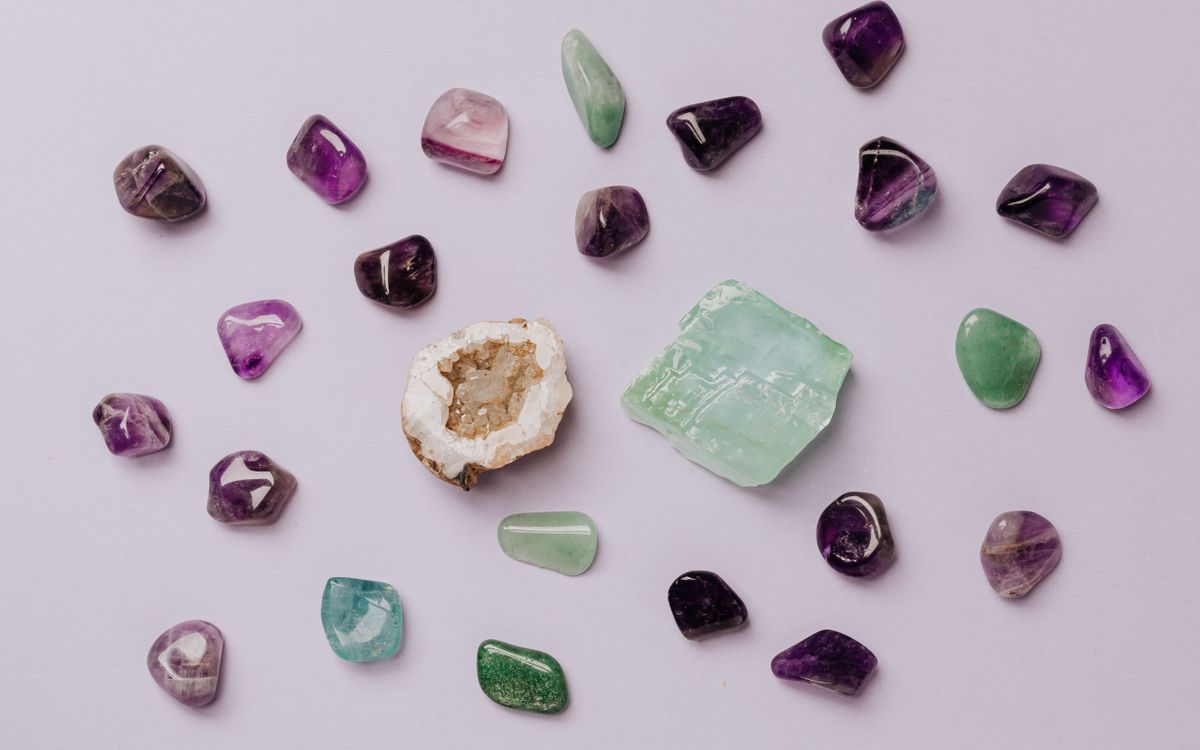
Almost everyone knows their birthstone, and almost no one knows where the list came from — or that it is an American retail invention just over a century old, updated as recently as 2016. The calendar below follows the official United States list, checked against the trade association that created it, and the rest of this page explains how the list grew, why some months have three stones, and what is worth knowing before any of them goes on a finger.
Where the official list comes from
The official birthstone list dates to 1912, when it was established by the American National Retail Jewelers Association — the organization that has become today’s Jewelers of America, which still publishes the list on its own buying guides. It is, in other words, a trade standard rather than an ancient tradition: a standardized retail calendar built on much older ideas about stones and months, but fixed, published, and maintained by the jewelry trade itself.
The list has been revised deliberately and rarely. Alexandrite, citrine, tourmaline, and zircon joined in a 1952 update; tanzanite was added to December in 2002; and in 2016 the American Gem Trade Association and Jewelers of America jointly announced spinel as an additional stone for August. Each change reflects the same logic: give buyers more choice without erasing what came before. That is why the calendar reads as it does — one stone for some months, two or three for others, with the newer additions sitting beside the originals.
The month-by-month calendar
The table below is the official United States list as published by Jewelers of America. Where a month carries several stones, they are all listed.
| Month | Birthstones |
|---|---|
| January | Garnet |
| February | Amethyst |
| March | Aquamarine |
| April | Diamond |
| May | Emerald |
| June | Pearl, moonstone, alexandrite |
| July | Ruby |
| August | Peridot, spinel |
| September | Sapphire |
| October | Opal, tourmaline |
| November | Citrine, topaz |
| December | Turquoise, blue topaz, tanzanite |
The months with more than one stone
June: pearl, moonstone, alexandrite
June carries three stones that share almost nothing except the month. Pearl is the only gem produced by a living animal; moonstone is a soft-graded feldspar with a floating blue sheen; alexandrite is the color-change chrysoberyl that reads green in daylight and red under lamp light. For buyers, the spread runs from the most affordable to among the most expensive color-change stones in the trade, which makes June the month where the choice matters most.
August: peridot, spinel — and the 2016 change
August is the list’s most instructive case. Peridot has been the modern August stone since the list began. Spinel joined in 2016, when the two trade associations added it after decades during which its finest reds and pinks were mistaken for ruby — several of history’s famous “rubies,” including one in the British crown jewels, turned out to be spinel. The addition gave August buyers a harder, near-untreated alternative to peridot’s yellow-green, and it is the reason some older charts you will find online still disagree with the current list.
December: turquoise, blue topaz, tanzanite
December accumulated three stones across the list’s history, and they conveniently share a blue-leaning palette: the matte opaque turquoise of the original list, the bright irradiated blue of treated topaz, and tanzanite, added in 2002, the violet-blue stone found commercially at only one source on earth. The three cover nearly every budget, which is part of why December’s trio has quietly become the model for what later additions are meant to do.
The traditional stones the modern list left behind
The 1912 standardization drew on older associations, and the older lists still surface in books, heirloom engravings, and international sources. Traditional calendars commonly pair March with bloodstone rather than aquamarine, August with sardonyx, and November with topaz alone; zodiac and so-called mystical calendars assign stones on entirely different principles. None of these are wrong so much as out of scope: they are different systems, not earlier versions of the official one. When a gift is meant to carry the official meaning — a grandmother’s December stone, a new parent’s October charm — the table above is the list the American trade recognizes, and the one retailers will build against.
Which birthstones can take daily wear
Birthstones are chosen by month, not by durability, so the calendar hands some buyers a stone that needs managing. The hard end of the list — sapphire, ruby, diamond, garnet, amethyst — shrugs off the friction of a ring worn daily. The soft end does not: opal and turquoise are considerably softer and can scratch against ordinary contact, pearl is organic material that reacts to acids, perspiration, and perfume, and moonstone splits along planes that a hard knock can find. Emerald carries a separate consideration, since the oil or resin filling traditional in the emerald trade does not tolerate ultrasonic cleaners, heat at the jeweler’s bench, or harsh cleaning chemicals.
In practice, wear placement matters more than toughness ratings. A delicate stone in a pendant or earrings, where nothing rubs it and nothing grips it, lasts far longer than the same stone in a ring worn every day. Rings should keep the softer stones in protected settings — a bezel shields the gem’s edge better than prongs — and all soft-stone pieces belong in separate pouches at night rather than in one tray with diamond rings, which scratch everything they touch.
How to buy a birthstone piece
Ask the disclosure questions
Colored stones and treatments travel together: most blue topaz owes its color to irradiation and heat, much of the tanzanite on the market is understood to be heated, and emerald oiling is such established trade practice that sellers should be assumed to do it unless stated otherwise. United States trade guides require disclosure when a treatment is not permanent, creates special care needs, or significantly affects value — so a listing that names a treatment plainly is working as intended, and silence deserves a question before purchase rather than after.
Put the calendar to work
A birthstone piece earns its keep as a gift precisely because the meaning is public — everyone in the room can verify it. That makes the calendar one of the few remaining buying guides a recipient will approve of being consulted about. For budgets and occasions where a birthstone piece makes sense, our jewelry gifts guide covers the price ranges by gift type, and if the piece lands on a finger, the ring size guide covers the measurement mistakes that are most costly to undo afterward.
Frequently asked
Who maintains the official birthstone list?
The list dates to 1912, when it was established by the American National Retail Jewelers Association, today's Jewelers of America. The American Gem Trade Association and Jewelers of America have together made the additions since — most recently spinel, added to August in 2016.
Why do some months have more than one birthstone?
Later additions gave buyers choice. June gained moonstone and alexandrite, October shares opal with tourmaline, November pairs citrine with topaz, and December carries turquoise, blue topaz, and tanzanite. August's spinel was added in 2016, the list's most recent change.
Are birthstone charts the same everywhere?
No. Older traditional lists differ, and separate zodiac or 'mystical' calendars assign stones differently. The calendar in this article follows the official United States list maintained through Jewelers of America and the American Gem Trade Association.